
condition
What Is a Muscle Spasm?
A muscle spasm is an involuntary, sustained contraction of a muscle or group of muscles. Unlike a cramp, which is typically brief and self-resolving, a muscle spasm can persist for extended periods and may cause significant pain and restricted movement in the affected area.
Muscle spasms are the body’s protective response to a perceived threat. When the nervous system detects a problem in or around a joint, disc, or nerve, it may trigger the surrounding muscles to contract and guard the area. This is an essentially protective mechanism, but when it persists beyond the acute phase, it can become a source of ongoing pain and dysfunction in its own right.
Trigger Points and Chronic Muscular Tension
A related but distinct phenomenon is the trigger point: a hyperirritable spot within a taut band of muscle tissue that produces localised pain and often refers to a predictable distant site. Trigger points are common in patients with chronic muscular tension and can persist indefinitely without targeted treatment. They are frequently found in the upper trapezius, rhomboids, levator scapulae, gluteal muscles, and hip flexors.
Common Causes of Muscle Spasms
The underlying causes of muscle spasms that we identify in clinical assessment include:
- Spinal joint restriction, where a restricted facet joint triggers protective muscular contraction in the surrounding muscles
- Disc injury or dysfunction, which can produce significant paraspinal muscle spasm as a protective response
- Nerve root irritation, where the muscles supplied by an affected nerve may go into spasm
- Muscular strain or tear, particularly in the early stages following injury
- Chronic postural overload, where certain muscles are consistently held in shortened or lengthened positions and develop tightness and spasm over time
- Electrolyte imbalance and dehydration, which can lower the threshold for muscular cramping and spasm during or after exercise
- Stress and psychological tension, which elevates baseline muscular tone and reduces the threshold for spasm in already-sensitised tissues
How We Treat Muscle Spasms at Ancoats Chiropractic Clinic
Identifying and Treating the Underlying Cause
The most important step in managing muscle spasms effectively is establishing what is driving them. Your chiropractor will carry out a thorough assessment to identify whether the spasm is secondary to joint dysfunction, nerve irritation, soft tissue injury, or a postural and movement pattern issue. This directs the treatment approach and determines how quickly you are likely to respond.
Chiropractic Adjustment for Spasm Related to Joint Dysfunction
Where spinal or peripheral joint restriction is the primary driver of muscle spasm, restoring movement to the affected joint through chiropractic adjustment often produces a rapid reduction in the surrounding muscular contraction. This is because the protective muscular response is triggered by the joint dysfunction: when the joint begins to move normally again, the nervous system reduces the protective guarding signal.
Soft Tissue Therapy for Muscular Tension and Trigger Points
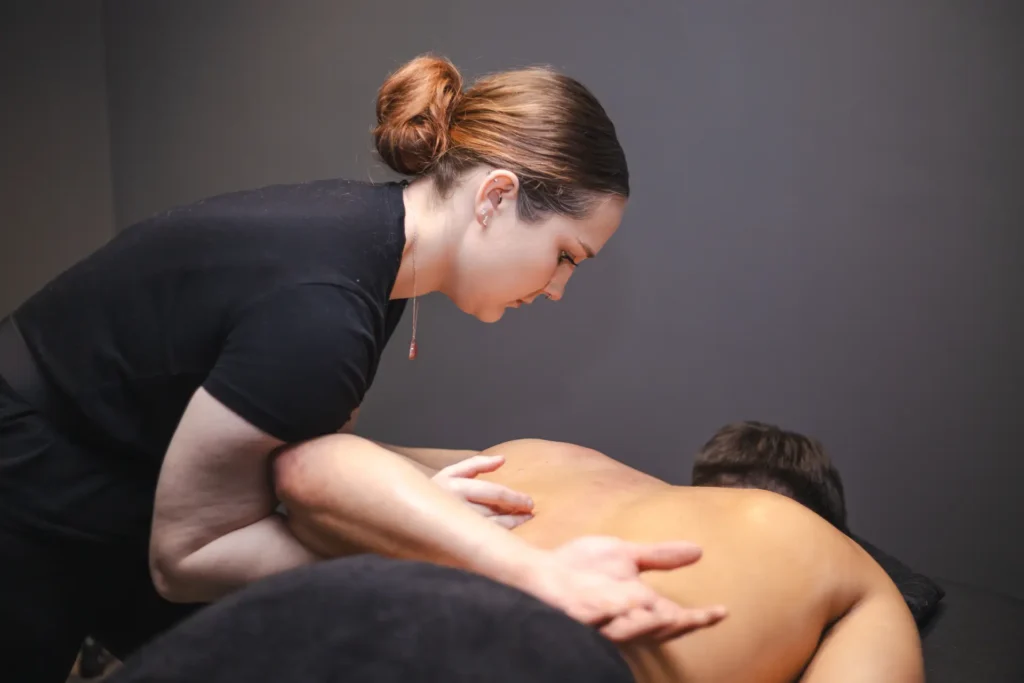
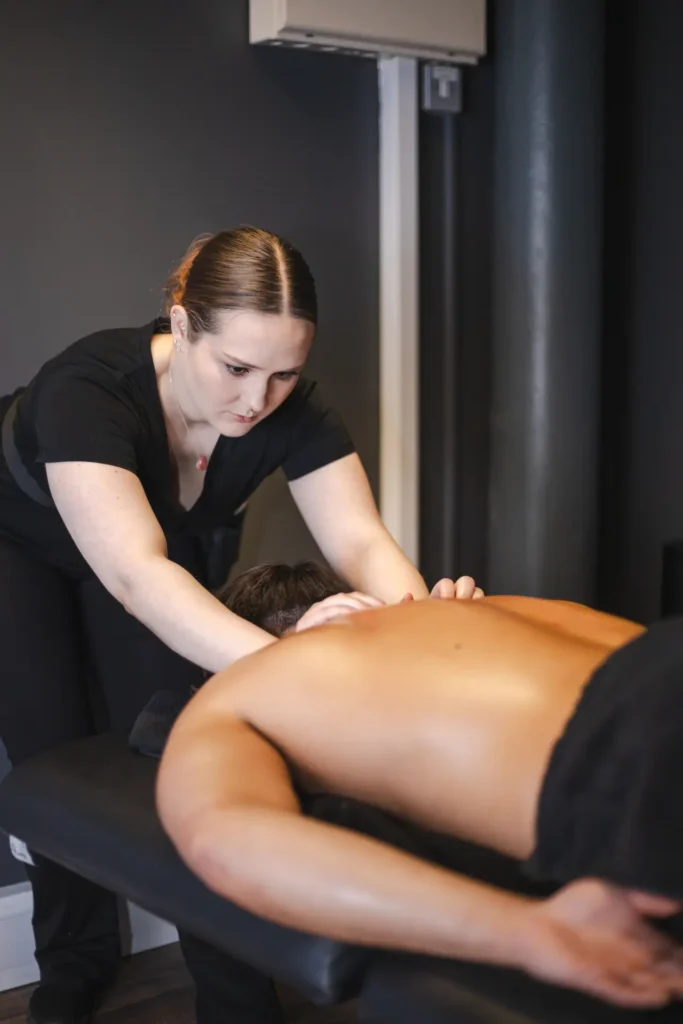
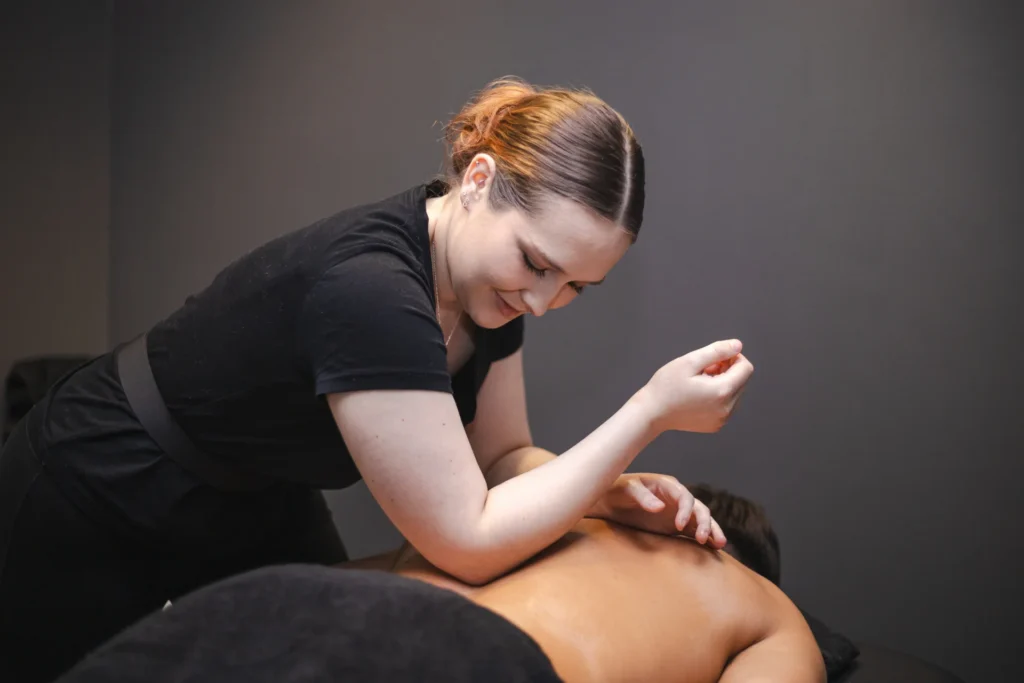
Direct manual therapy to the spasming muscles and any associated trigger points is frequently an essential part of treatment. Deep tissue techniques applied to the affected muscle tissue reduce hypertonicity, improve local circulation, break down trigger points, and restore normal resting tone to the muscle. This may be delivered as part of your chiropractic session or through a dedicated soft tissue treatment.
Rehabilitation to Prevent Recurrence
Muscles that spasm repeatedly often do so because of underlying weaknesses or imbalances in the surrounding musculature. A targeted rehabilitation programme that addresses these deficits builds the physical resilience needed to manage the demands placed on the area and significantly reduces the frequency of future spasm episodes.
Related Conditions
Muscle spasms frequently occur alongside or are driven by the following conditions:
condition
What Is a Muscle Spasm?
A muscle spasm is an involuntary, sustained contraction of a muscle or group of muscles. Unlike a cramp, which is typically brief and self-resolving, a muscle spasm can persist for extended periods and may cause significant pain and restricted movement in the affected area.
Muscle spasms are the body’s protective response to a perceived threat. When the nervous system detects a problem in or around a joint, disc, or nerve, it may trigger the surrounding muscles to contract and guard the area. This is an essentially protective mechanism, but when it persists beyond the acute phase, it can become a source of ongoing pain and dysfunction in its own right.
Trigger Points and Chronic Muscular Tension
condition
Common Causes of Muscle Spasms
The underlying causes of muscle spasms that we identify in clinical assessment include:
- Spinal joint restriction, where a restricted facet joint triggers protective muscular contraction in the surrounding muscles
- Disc injury or dysfunction, which can produce significant paraspinal muscle spasm as a protective response
- Nerve root irritation, where the muscles supplied by an affected nerve may go into spasm
- Muscular strain or tear, particularly in the early stages following injury
- Chronic postural overload, where certain muscles are consistently held in shortened or lengthened positions and develop tightness and spasm over time
- Electrolyte imbalance and dehydration, which can lower the threshold for muscular cramping and spasm during or after exercise
- Stress and psychological tension, which elevates baseline muscular tone and reduces the threshold for spasm in already-sensitised tissues
condition
How We Treat Muscle Spasms at Ancoats Chiropractic Clinic
Identifying and Treating the Underlying Cause
Chiropractic Adjustment for Spasm Related to Joint Dysfunction
Soft Tissue Therapy for Muscular Tension and Trigger Points
Rehabilitation to Prevent Recurrence
condition
Related Conditions
Muscle spasms frequently occur alongside or are driven by the following conditions:
- Back Pain
- Neck Pain
- Sciatica
- Sports Injuries
- Occupational Injuries
- Hip and Joint Pain
faqs
Frequently Asked Questions
Why do my muscles keep going into spasm in the same area?
Can heat or cold help with a muscle spasm?
Are muscle spasms dangerous?
Will stretching help my muscle spasms?
GETTING HERE

Conditions
OTHER RELATED CONDITIONS
We provide personalised care for a variety of conditions, ensuring treatment is tailored to your unique needs.
Booking
Book Your Muscle Spasm Assessment in Manchester
Recurring muscle spasms deserve a proper clinical explanation. Call 07827 139839, email info@ancoatschiropractic.co.uk, or book online.