
Service
What Is an Occupational Injury?
An occupational injury is any musculoskeletal complaint that arises as a direct result of work activity. This includes both acute injuries, caused by a specific incident at work such as a sudden lift or a slip, and chronic conditions that develop gradually through sustained or repetitive work demands.
Occupational injuries are not confined to physically demanding jobs. Office workers, IT professionals, healthcare workers, teachers, and tradespeople alike present with work-related musculoskeletal conditions that are specific to the demands of their roles. Understanding the physical requirements and habits associated with your particular work is a core part of how we assess and treat occupational injuries at our clinic.
Occupational Injuries by Work Type
Desk-Based and Office Workers
Prolonged sitting, sustained forward head posture, static shoulder and arm positions during keyboard and mouse use, and limited movement throughout the working day create a specific pattern of occupational strain. The most common presentations we see in desk workers include:
- Neck and upper back pain related to sustained screen posture
- Lower back pain worsened by prolonged sitting
- Wrist and forearm pain associated with keyboard and mouse use
- Tension headaches arising from cervical and upper trapezius strain
- Shoulder stiffness and restricted movement
Manual Workers and Tradespeople
Manual work involves a different set of occupational demands: heavy lifting, sustained bending, whole-body vibration, and often prolonged working in awkward or constrained positions. The injuries we most frequently see in this group include:
- Lower back strains and disc injuries from lifting and twisting
- Shoulder injuries from overhead and repetitive arm work
- Knee pain from kneeling, squatting, or working on hard surfaces
- Elbow and wrist complaints from tool use and gripping
- Repetitive strain injuries affecting the forearm and hand
Healthcare and Service Industry Workers
Healthcare workers, hospitality staff, and those in other patient-facing or physically demanding service roles face their own occupational challenges, including sustained standing, patient handling, and the cumulative physical toll of roles that involve constant physical engagement. Back pain, hip pain, and lower limb complaints are particularly common in these groups.
How We Treat Occupational Injuries at Ancoats Chiropractic Clinic
Thorough Assessment of the Work Context
Treating an occupational injury without understanding the work environment that caused it is an incomplete approach. Your chiropractor will take a detailed history of your work activities, posture habits, and the specific demands of your role. This informs both the clinical treatment plan and the practical advice we provide alongside it.
Chiropractic Adjustments and Manual Therapy
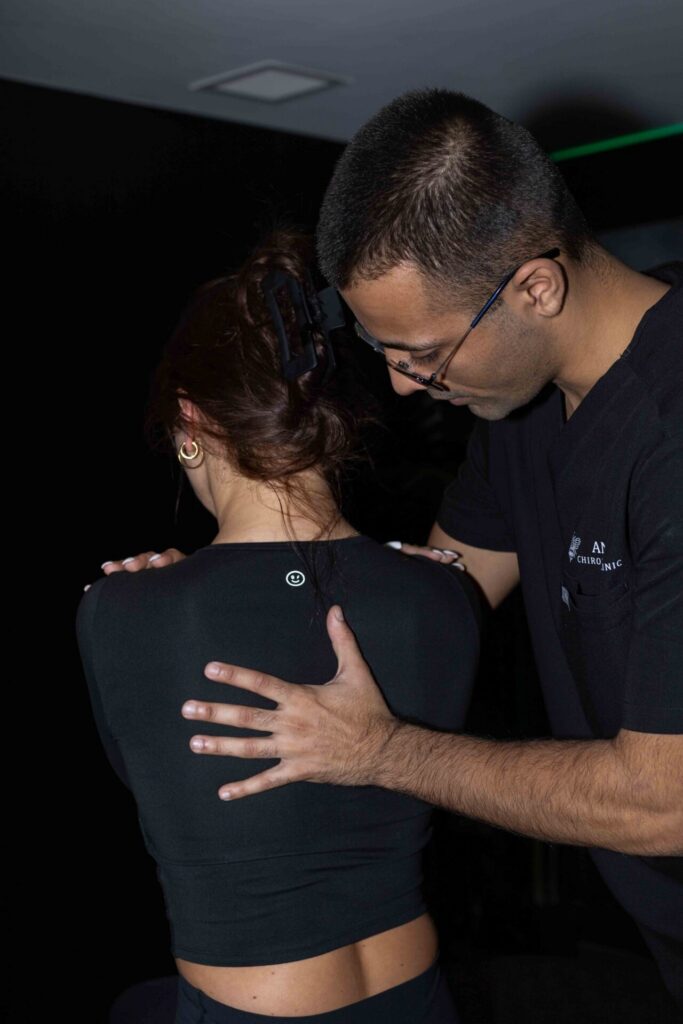
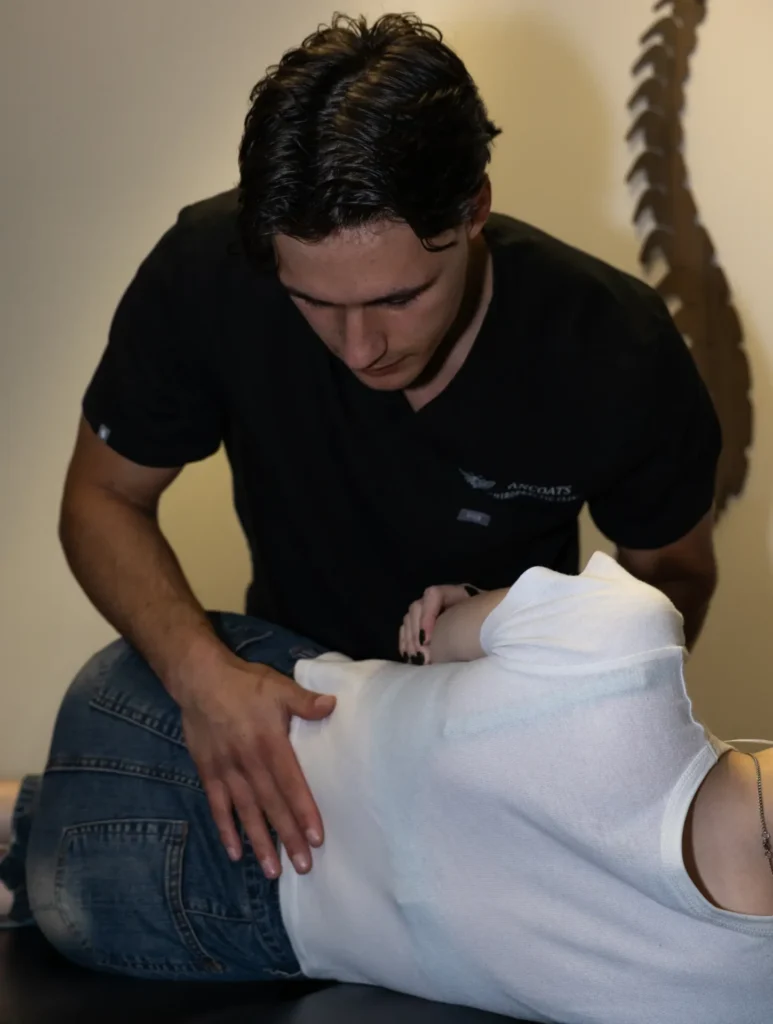
Hands-on treatment to the affected joints and soft tissues addresses the direct physical consequences of the occupational strain. Chiropractic adjustments restore movement to restricted joints, while manual therapy addresses the muscular tension and soft tissue changes that accumulate with sustained occupational demands.
Rehabilitation and Work Hardening
For patients in physically demanding roles, the rehabilitation phase of treatment goes beyond restoring normal function and progressively builds the physical capacity needed to manage the specific demands of their job. This may include strength and conditioning work, movement pattern retraining, and guidance on safe techniques for the physical tasks involved in their work.
Ergonomic and Workplace Guidance
For office workers and desk-based patients, practical guidance on workstation setup, sitting posture, screen positioning, and movement habits throughout the working day is a central part of recovery and prevention. Many occupational injuries are maintained, or made worse, by workplace factors that can be modified relatively easily. Your chiropractor will provide clear, actionable advice as part of your treatment plan.
Related Conditions
Occupational injuries frequently overlap with or contribute to the following conditions:
condition
What Is an Occupational Injury?
An occupational injury is any musculoskeletal complaint that arises as a direct result of work activity. This includes both acute injuries, caused by a specific incident at work such as a sudden lift or a slip, and chronic conditions that develop gradually through sustained or repetitive work demands.
Occupational injuries are not confined to physically demanding jobs. Office workers, IT professionals, healthcare workers, teachers, and tradespeople alike present with work-related musculoskeletal conditions that are specific to the demands of their roles. Understanding the physical requirements and habits associated with your particular work is a core part of how we assess and treat occupational injuries at our clinic.
condition
Occupational Injuries by Work Type
Desk-Based and Office Workers
Prolonged sitting, sustained forward head posture, static shoulder and arm positions during keyboard and mouse use, and limited movement throughout the working day create a specific pattern of occupational strain. The most common presentations we see in desk workers include:
- Neck and upper back pain related to sustained screen posture
- Lower back pain worsened by prolonged sitting
- Wrist and forearm pain associated with keyboard and mouse use
- Tension headaches arising from cervical and upper trapezius strain
- Shoulder stiffness and restricted movement
Manual Workers and Tradespeople
Manual work involves a different set of occupational demands: heavy lifting, sustained bending, whole-body vibration, and often prolonged working in awkward or constrained positions. The injuries we most frequently see in this group include:
- Lower back strains and disc injuries from lifting and twisting
- Shoulder injuries from overhead and repetitive arm work
- Knee pain from kneeling, squatting, or working on hard surfaces
- Elbow and wrist complaints from tool use and gripping
- Repetitive strain injuries affecting the forearm and hand
Healthcare and Service Industry Workers
condition
How We Treat Occupational Injuries at Ancoats Chiropractic Clinic
Thorough Assessment of the Work Context
Chiropractic Adjustments and Manual Therapy
Rehabilitation and Work Hardening
Ergonomic and Workplace Guidance
For office workers and desk-based patients, practical guidance on workstation setup, sitting posture, screen positioning, and movement habits throughout the working day is a central part of recovery and prevention. Many occupational injuries are maintained, or made worse, by workplace factors that can be modified relatively easily. Your chiropractor will provide clear, actionable advice as part of your treatment plan.
condition
Related Conditions
Occupational injuries frequently overlap with or contribute to the following conditions:
- Back Pain
- Neck Pain
- Wrist Pain
- Headaches and Migraines
- Muscle Spasms
- Hip and Joint Pain
- Shoulder Pain
faqs
Frequently Asked Questions
Do I need to have had an accident at work for it to be considered an occupational injury?
Should I report my injury to my employer?
Can I be seen outside of standard working hours?
How long will I need to take off work?
GETTING HERE

Conditions
OTHER RELATED CONDITIONS
We provide personalised care for a variety of conditions, ensuring treatment is tailored to your unique needs.
Booking
Book Your Occupational Injury Assessment in Manchester
Work-related pain is not something you should just push through. Call 07827 139839, email info@ancoatschiropractic.co.uk, or book online.